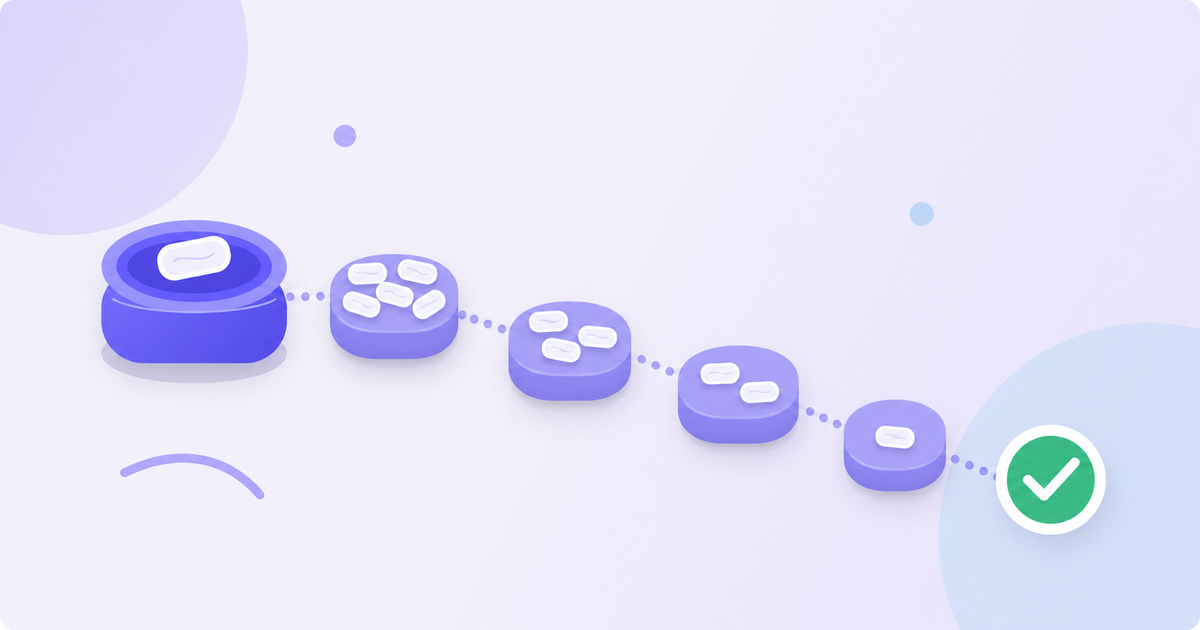

Nicotine withdrawal can start within a few hours of your last pouch. Symptoms are often strongest in the first week, especially the first three days, and commonly ease over three to four weeks. Your own timeline may be shorter or longer.
Most published quit timelines come from smoking research. The nicotine-withdrawal pattern is relevant to pouches, but cigarette smoke withdrawal and smoking routines are not identical to pouch use.
On this page
- What withdrawal can feel like
- First 4 to 24 hours
- Days 2 to 3
- Days 4 to 7
- Weeks 2 to 4
- After one month
- How gradual reduction changes the timeline
- When to get help
- Frequently asked questions
What withdrawal can feel like
Regular nicotine use teaches the brain to expect another dose. When nicotine falls, withdrawal can affect mood, concentration, sleep and appetite.
Common symptoms include:
- strong urges to use a pouch;
- irritability, anxiety or low mood;
- restlessness;
- trouble concentrating;
- difficulty sleeping or vivid dreams;
- increased appetite;
- headaches;
- feeling tired or mentally slow.
Not every symptom after quitting is withdrawal. Illness, caffeine changes, stress and medication can overlap. Speak with a clinician if something is severe, unusual or getting worse.
Use our nicotine quit timeline tool to put the common milestones against your own last-pouch time. It is a planning aid, not a prediction.
First 4 to 24 hours
Nicotine has an average blood half-life of about two hours, so levels start falling quickly after the final pouch. Cravings, irritability, restlessness or difficulty focusing may begin within hours.
The routine can feel as loud as the physical symptom. Your hand may reach for a can during a meeting, drive or coffee break before you consciously decide anything.
Make the first day easier to navigate:
- remove cans from your desk, car, coat and bedside;
- tell one person what you are doing;
- prepare water, sugar-free gum or another mouth substitute;
- decide what you will do during your two strongest trigger moments;
- keep meals regular.
Cravings rise and fall. Set a short timer, change rooms, walk or start a task that occupies both hands. You do not need to feel good for the whole day; you need a plan for the next wave.
Days 2 to 3
This is often the most intense phase. NHS withdrawal guidance says symptoms are usually strongest in the first week, particularly the first three days.
You may notice poor concentration, a short temper, anxiety, disrupted sleep or a larger appetite. If you used pouches almost continuously, ordinary gaps in the day may feel unfamiliar.
Avoid making the phase harder by skipping food, using much more caffeine or expecting normal productivity. Nicotine changes how the body handles caffeine, and your usual amount may feel stronger after quitting. Reduce it if you become jittery or sleep worsens.
Keep the reason for quitting visible and make access inconvenient. A craving plus an open can is a harder combination than a craving plus a five-minute walk to buy one.
Days 4 to 7
Some physical symptoms may begin to ease, but triggers remain. The first work deadline, long drive, night out or stressful conversation without a pouch can produce a sudden craving.
Review what happened rather than judging the week as a pass or fail:
- Which time of day was hardest?
- Was the trigger stress, boredom, alcohol, driving or another nicotine user?
- What delayed the craving even briefly?
- Did poor sleep or hunger make it stronger?
If you used a pouch, record it and continue. One lapse does not erase the hours or days before it. Decide whether to return to zero immediately or use a more gradual plan with professional support.
Weeks 2 to 4
The NHS says nicotine withdrawal lasts about three to four weeks on average, although it can continue for longer. Mood, sleep and concentration often improve on different schedules.
Cravings may now feel less constant but more surprising. A familiar situation can reactivate the learned association even when physical withdrawal has eased.
Build a replacement around the situation rather than relying on willpower. If driving was paired with pouches, put gum and water in the car. If gaming was the trigger, keep the can out of the room and take planned breaks. If stress was the trigger, choose a two-minute action you can actually do at work.
Track sleep and mood as well as pouch-free days. A sleep disruption pattern may need adjustments to caffeine, timing and expectations.
After one month
Many people feel much more stable after the first month, but a craving can still appear around alcohol, stress or a familiar routine. That does not mean nicotine is still leaving the body. It often reflects a learned cue.
Keep your response short and repeatable. Notice the trigger, delay the decision and change the setting. If you start using regularly again, return to tracking before the count becomes vague.
Savings can provide a concrete reminder. The pouch cost calculator estimates weekly and monthly spending from your can price and count.
How gradual reduction changes the timeline
Stopping at once creates a clear last-pouch date. A gradual plan lowers nicotine exposure in steps, so symptoms may be milder but spread across several reductions. There is no single taper that is right for everyone.
Track both daily count and strength. Cutting the number of pouches while switching to a much stronger product may not reduce labelled nicotine. Delaying the first pouch, widening the shortest gaps and removing automatic pouches are other measurable changes.
Our reduction planner gives you an editable count schedule. It does not assess medical suitability. If you are pregnant, have significant health conditions, take medicines that may be affected or have struggled repeatedly, ask a healthcare professional or stop-smoking service for a tailored plan.
When to get help
Withdrawal is usually uncomfortable rather than dangerous. Get support if symptoms are making work, driving, sleep or relationships difficult, or if repeated attempts are not holding.
Seek urgent help for:
- thoughts of self-harm or suicide;
- chest pain, collapse or severe breathing difficulty;
- severe confusion or another sudden neurological symptom;
- symptoms that may be nicotine poisoning rather than withdrawal.
In the UK, call 999 for an emergency. For urgent advice that is not an emergency, use NHS 111. A GP, pharmacist or local stop-smoking service can discuss nicotine-replacement options and behavioural support.
Frequently asked questions
When does nicotine withdrawal start?
It can begin within hours as nicotine levels fall. Dependence, strength, frequency, other nicotine use and your quit method all affect timing.
What day is nicotine withdrawal worst?
Symptoms are often strongest during the first week, especially the first three days. Treat that as a general pattern, not a deadline.
How long does nicotine withdrawal last?
Symptoms last three to four weeks on average according to NHS guidance, but some people experience them for longer and individual symptoms settle at different times.
Is nicotine withdrawal dangerous?
It is usually uncomfortable rather than dangerous. Severe low mood, thoughts of self-harm or other worrying symptoms need urgent help.
This article provides general information, not individual medical advice. A healthcare professional can help you choose a quit method and assess concerning symptoms.
Ready to cut down?
Track every pouch and follow daily limits built around your routine.