Quitting nicotine pouches is not only about removing the nicotine. A pouch can become part of driving, working, gaming, socialising or winding down at night. That means stopping may bring both nicotine withdrawal and a strong sense that something is missing from familiar moments.
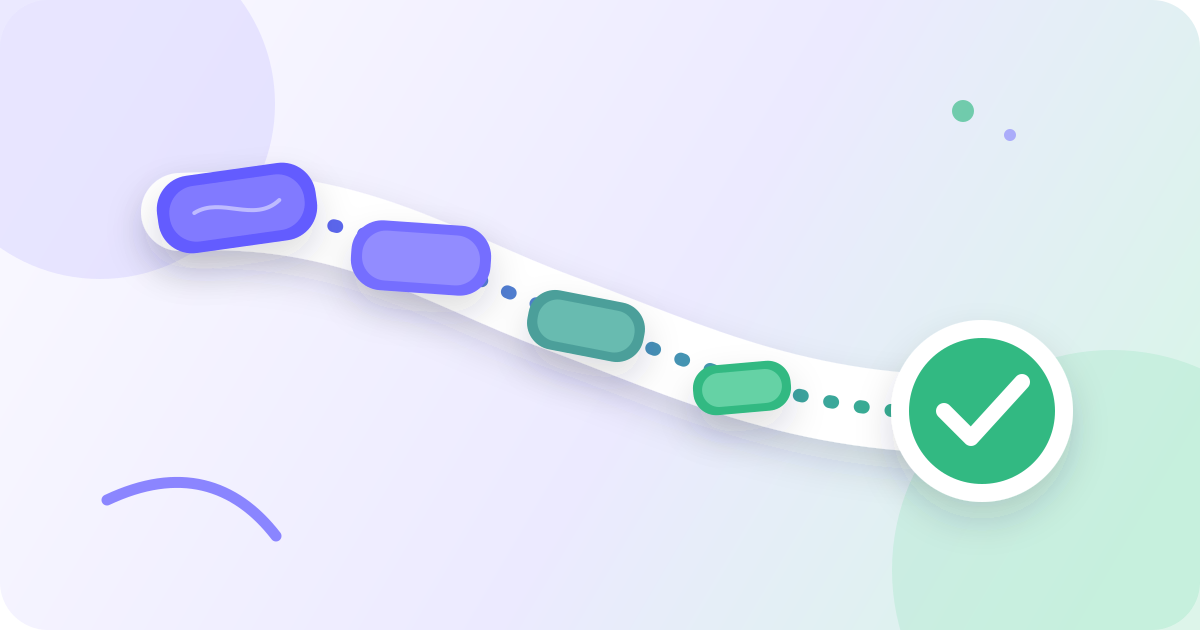
You can stop on a chosen date or reduce your use before stopping. There is not enough pouch-specific evidence to say that one approach is best for everyone. What matters is having a clear approach, preparing for cravings and getting more support when you need it.
On this page
- Decide how you want to stop
- How to taper off nicotine pouches
- Prepare for cravings and routine triggers
- Know what withdrawal can feel like
- Make the first week easier
- Handle a lapse without giving up
- Get extra support when you need it
- Frequently asked questions
Decide how you want to stop
Some people prefer a clear stop date. Others reduce their use first because stopping suddenly feels too disruptive or has not worked before. Neither route guarantees an easy experience.
If you choose a stop date, decide what will change before that day arrives:
- remove spare cans from the places where you normally keep them;
- tell someone who can check in with you;
- identify the times and situations most closely connected to pouch use;
- prepare alternatives for those moments;
- make a plan for any other nicotine you use.
If you want to cut down first, use the separate nicotine pouch reduction plan. It explains how to record a baseline, choose between count and strength, set daily limits and review each step. Keeping those instructions in one place makes the quitting decision here easier to follow.
How to taper off nicotine pouches
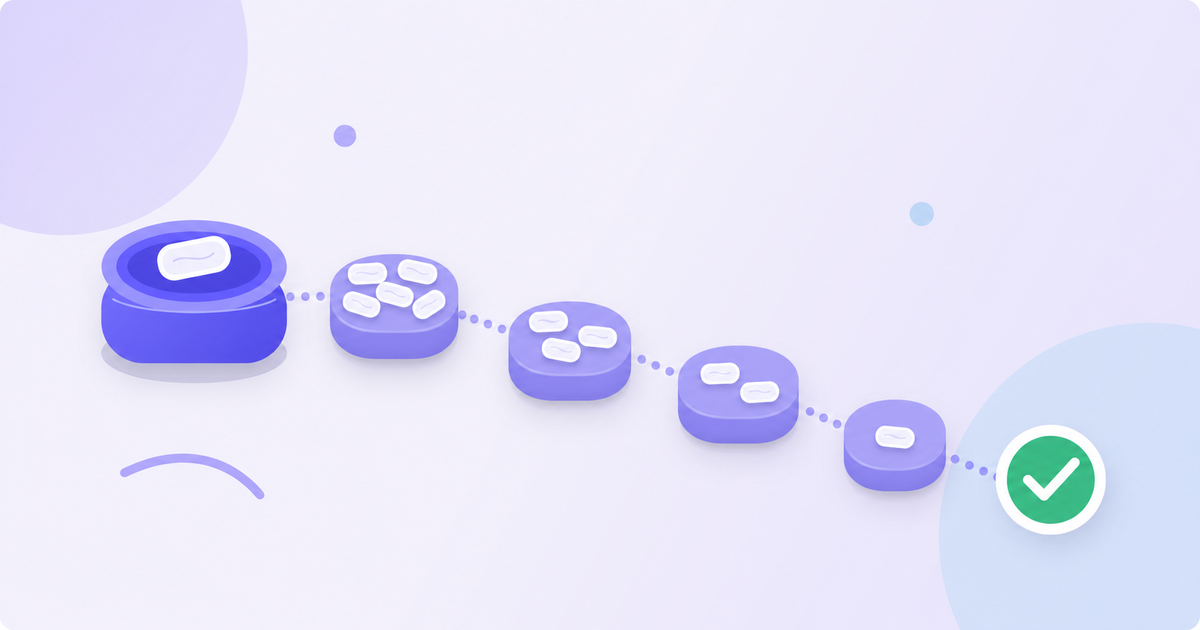
Start by logging a normal week, then lower either your daily pouch count or pouch strength in defined, measurable steps. A 2025 Cochrane review of oral nicotine pouches found no studies on using them to stop or reduce other nicotine use, so a fixed online taper should not be treated as clinical guidance. Keep each step long enough to review cravings, sleep and whether another nicotine source has increased.
- Record every pouch, its milligrams and the time for seven days.
- Choose one first change, such as removing one automatic pouch or moving to a lower strength.
- Set a daily limit and decide which routine change will make it possible.
- Review several days together before keeping, lowering or adjusting the limit.
The full step-by-step nicotine pouch reduction plan includes a baseline worksheet, example limit and review questions. If tapering repeatedly feels unmanageable, speak with a pharmacist, doctor or stop-smoking adviser rather than forcing a faster reduction.
Prepare for cravings and routine triggers
A craving may come from nicotine withdrawal, a learned routine or both. Look at when you normally use a pouch and match your response to that situation.
For a short urge, try one of these:
- drink water or chew sugar-free gum;
- walk for five minutes;
- change rooms or start a specific task;
- take a few slow breaths;
- message someone who knows you are cutting down;
- delay the decision for ten minutes, then check again.
Make the response fit the trigger. If pouches divide long work sessions, schedule a real break. If driving is the cue, keep gum or water in the car. If alcohol makes it harder to stick to your decision, consider avoiding it during the early part of your attempt.
The NHS guidance on triggers and cravings recommends planning for difficult situations and using practical distractions. Its advice is written for stopping smoking, but the distinction between withdrawal and routine-driven cues is relevant to other nicotine use.
Know what withdrawal can feel like
Nicotine withdrawal can begin after stopping or making a meaningful reduction. Common symptoms include cravings, irritability, restlessness, poor concentration, low mood, anxiety, increased appetite and trouble sleeping.
The NHS guide to nicotine withdrawal says symptoms after stopping smoking are often strongest in the first week, particularly the first three days, and commonly last three to four weeks. Nicotine pouch withdrawal may not follow exactly the same pattern, especially when use is reduced gradually.
Poor sleep can make cravings and concentration more difficult the next day. Our guide to nicotine, sleep and anxiety explains what to look for if pouch timing may already be affecting your sleep.
Severe symptoms, chest pain, fainting or persistent changes in mood need medical attention. If you feel at risk of harming yourself, seek urgent help in your country straight away.
Make the first week easier
You do not need to rely on willpower alone. Change the surroundings that normally make pouch use automatic.
- Keep cans out of your home, car, desk and bag if you are stopping completely.
- Plan meals and simple snacks because appetite can change during withdrawal.
- Protect your sleep routine and reduce late caffeine if restlessness is a problem.
- Break up long periods of work, driving or gaming before the usual cue appears.
- Ask someone to check in during the part of the day you expect to find hardest.
- Keep a short record of cravings so you can see that they rise, pass and change.
If you also smoke or vape, tell a pharmacist, doctor or stop-smoking adviser about every nicotine source you use. Changing several sources without support can make it harder to understand your nicotine intake and withdrawal.
Handle a lapse without giving up
Using one pouch after your stop date does not force you to abandon the attempt. Record what happened, remove any remaining pouches and return to the decision you made.
Ask:
- What was happening just before the pouch?
- Was the urge mainly withdrawal, stress, boredom or routine?
- Was the planned alternative available?
- What could make the same moment easier next time?
Repeated lapses may mean the approach needs more support. They are a reason to adjust the plan or speak with a professional, not evidence that change is impossible.
Get extra support when you need it
Nicotine pouches are not licensed stop-smoking medicines in the UK. A 2025 Cochrane review found no evidence about using oral nicotine pouches to stop or reduce other forms of nicotine use. That gap is one reason to avoid treating a self-directed pouch plan as medical treatment.
If you also smoke, tell a pharmacist, doctor or stop-smoking adviser. Licensed nicotine replacement therapy and prescription options have a stronger evidence base for smoking cessation. In the UK, the NHS explains the available nicotine replacement therapies. In the US, a healthcare professional or 1-800-QUIT-NOW can help you choose suitable support.
Poucho helps you record pouch use, spot repeated times and triggers, set daily limits and follow your progress. It gives you a clearer record of what happened, including difficult days. It is not a medical treatment or a replacement for professional support.
Frequently asked questions
How do I quit nicotine pouches?
Choose whether you want to stop on a set date or reduce your use first. Prepare for the situations in which you normally reach for a pouch, remove easy access, plan a response to cravings and tell someone who can support you. Speak with a pharmacist, doctor or stop-smoking adviser if withdrawal or repeated setbacks make it difficult to continue.
Is it better to stop nicotine pouches gradually or all at once?
There is not enough pouch-specific evidence to say one approach is best for everyone. Stopping on a set date is clear and quick, while gradual reduction may make the change feel more manageable. Choose a defined approach, track what happens and get support if withdrawal or repeated setbacks make it difficult to continue.
How long does nicotine pouch withdrawal last?
Withdrawal varies. Guidance based mainly on stopping smoking says symptoms are often strongest during the first week, especially the first three days, and commonly ease over three to four weeks. Nicotine pouch withdrawal may follow a different pattern, particularly if you reduce gradually rather than stopping at once.
What can help with nicotine pouch cravings?
Identify the situations connected to your pouch use and prepare a specific response for each one. Drinking water, chewing sugar-free gum, changing rooms, taking a short walk or delaying the decision can help create distance from an urge. Professional support may be useful if cravings repeatedly derail your attempt to stop.
Can Poucho help me stop using nicotine pouches?
Poucho helps you record pouch use, spot repeated times and triggers, set daily limits and follow your progress. It is a tracking and behaviour-change tool, not a medical treatment or a replacement for professional support.
This article provides general information, not individual medical advice. If nicotine use is affecting your health, you are pregnant, or withdrawal is difficult to manage, speak with a qualified healthcare professional.
Ready to cut down?
Track every pouch and follow daily limits built around your routine.